


A huge thank you to Louise Kenward for this thoughtful piece for The Red Tree and ME. It has been a privilege to be able to connect with Louise as we work together with the British Psychological Society, combining knowledge, expertise, and lived experience to drive improvements in services for people with ME/CFS.
Along with her knowledge and expertise as a psychologist, Louise’s work is also a testament to the power of lived experience in reshaping narratives around chronic illness and disability and effectively dismantles false beliefs about ME. She has forthcoming chapters in psychology and psychotherapy books and her contributions to psychology and disability rights continue to inspire, challenge and call for change.
Louise has co-produced ‘Disturbing the Body - Speculative Memoir about Disrupted Bodies’ (Boudicca Press: 2021) and edited the groundbreaking ‘Moving Mountains: Writing Nature through illness and Disability’ (Footnote Press: 2023), which centres disabled voices in nature writing.
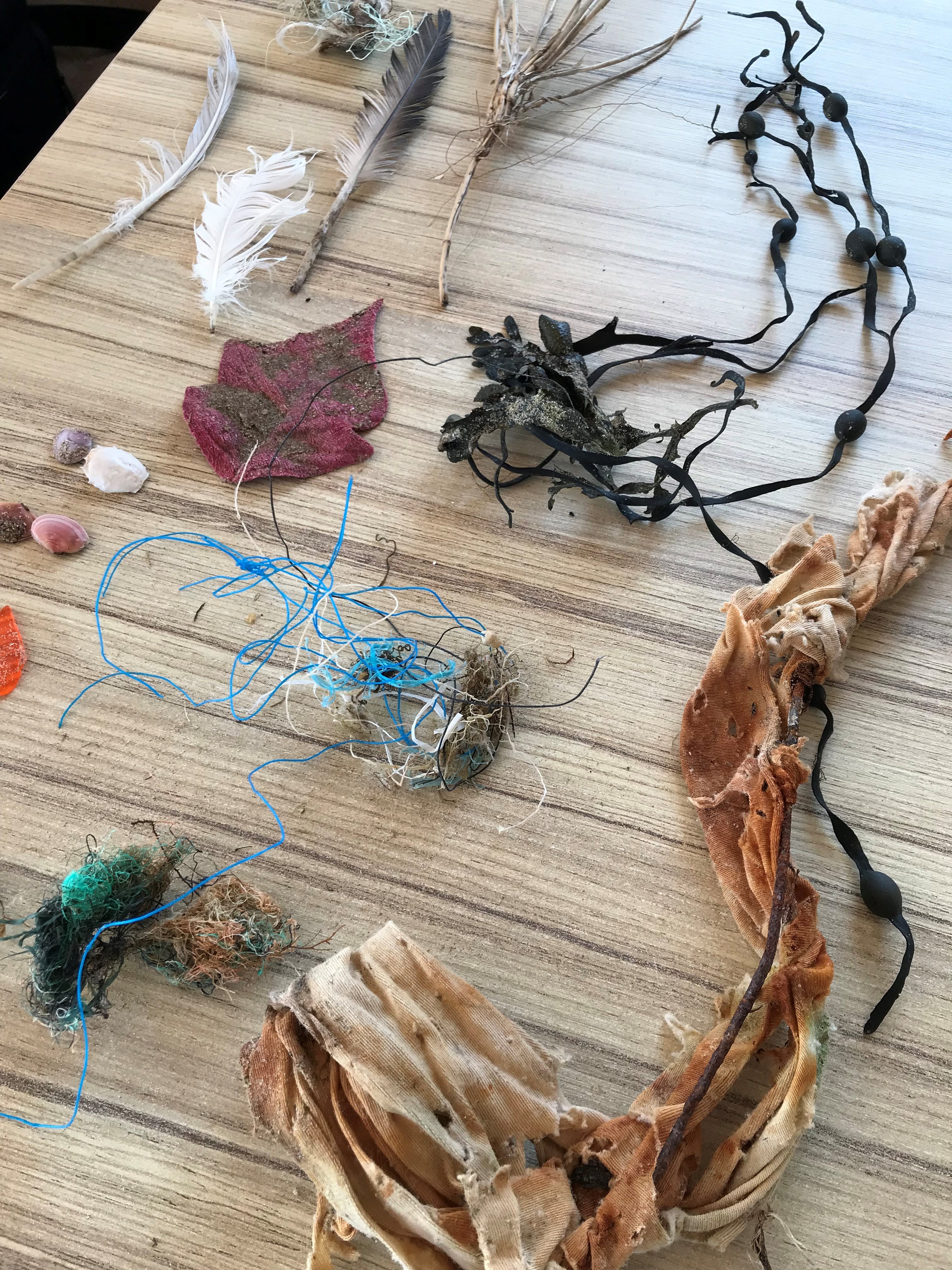
I am beachcombing the south coast, along Kent and Sussex, near to where I live. I take short slow walks along the strandline to see what the sea offers up. It’s usually a combination of natural and human made objects, a tangle of seaweeds and plastic bottles, fishing debris, shells and egg cases, and occasionally a stranded creature. I’ve found jellyfish and spotted catsharks along this stretch of coast over the last year, but there are also often sick or injured seals, occasionally a porpoise.
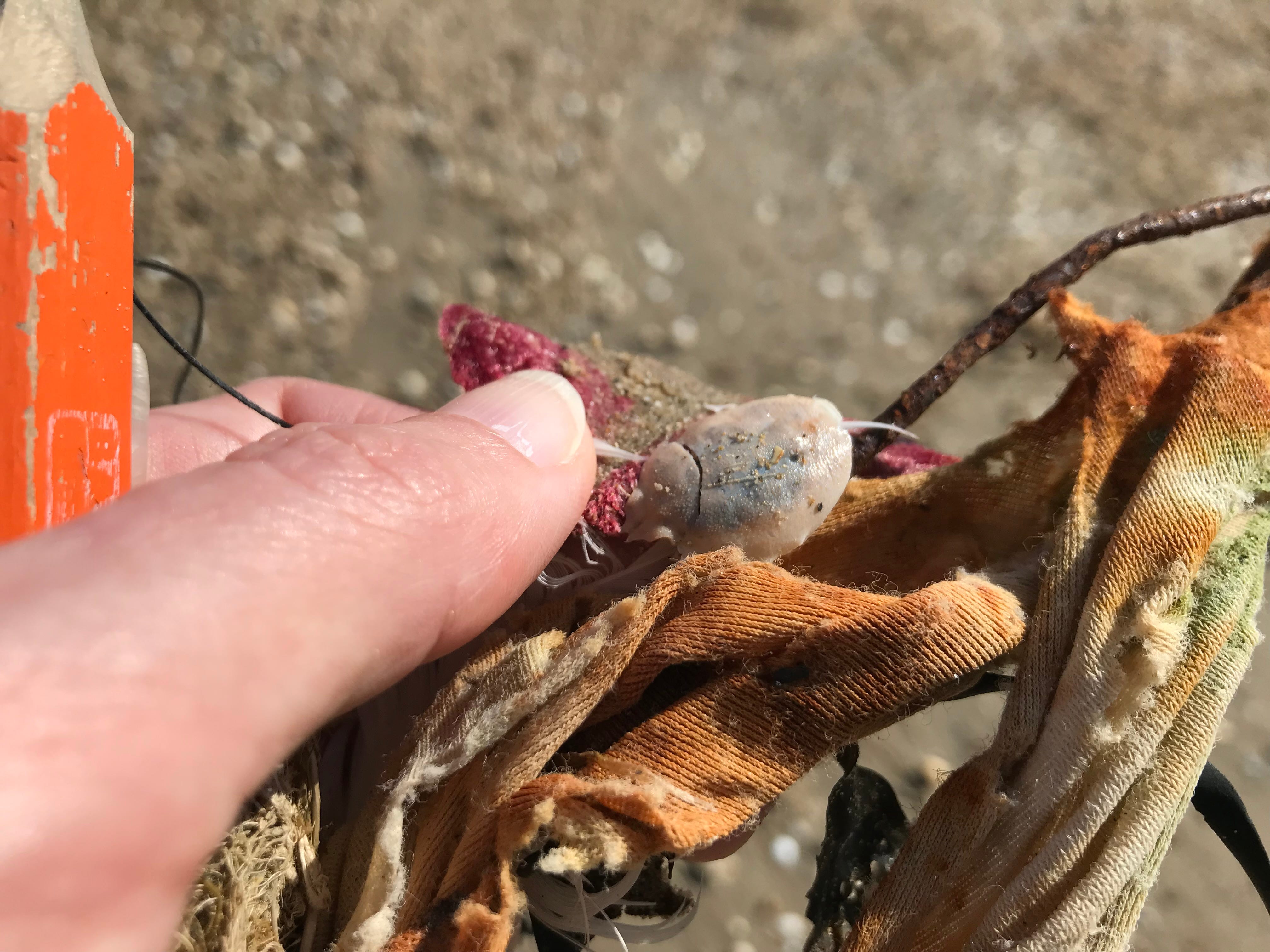
They all make me think of something connected to my own body and the demands and parallels of living with chronic illness. The very idea of stranding and being ‘a fish out of water’ feels like a pertinent metaphor to becoming newly disabled by an illness like ME/CFS, and having no bearings or frame of reference for the world you now find yourself in. You now live somewhere entirely different to anything that was familiar or known before.
Beachcombing is something I have done for years, living by the coast. When I was unable to reach the beach, housebound for several years, it was getting to the sea that was (and is) the most exciting thing to be able to do. It is often prioritised before being able to wash or cook for myself.
I’m currently undertaking a creative practice PhD, my beachcombs are now a part of that, as I learn more about post-viral illness and systemic ableism, as well as the diminishing coastline, at risk of flooding and pollution. I’m also co-leading and writing a new set of guidelines for psychologists working with people with ME/CFS, after many years of advocating for improved understanding in the profession, and a change in the NICE guidance, to remove GET and downgrade CBT. With this latter work now done (with thanks to many hundreds of patients and supporters), I am now working with the British Psychological Society to bring together existing knowledge, expertise and experience that can help support psychologists in better supporting people with ME/CFS.
Through this work I have met many brilliant people living with ME/CFS and have reconnected with a number of psychologists (having had to leave my own career in the NHS ten years or so ago). This has included Jo Greer. One of the things she told me when we met was about the value for her of finding metaphor in the book The Red Tree. Finding just one leaf each day was important when so much loss and grief, obstruction and misunderstanding, is associated with living with ME/CFS.
The next time I went to the beach, just a week or so later, one of the first things I found in the strandline was a red leaf. It wasn’t one that had fallen from a tree that was growing, but a plastic one that had weathered the sea. Picking it up I thought of Jo and her daughter and of all the people living with ME/CFS, so often unseen and unheard. This felt like a special leaf to hold on to.
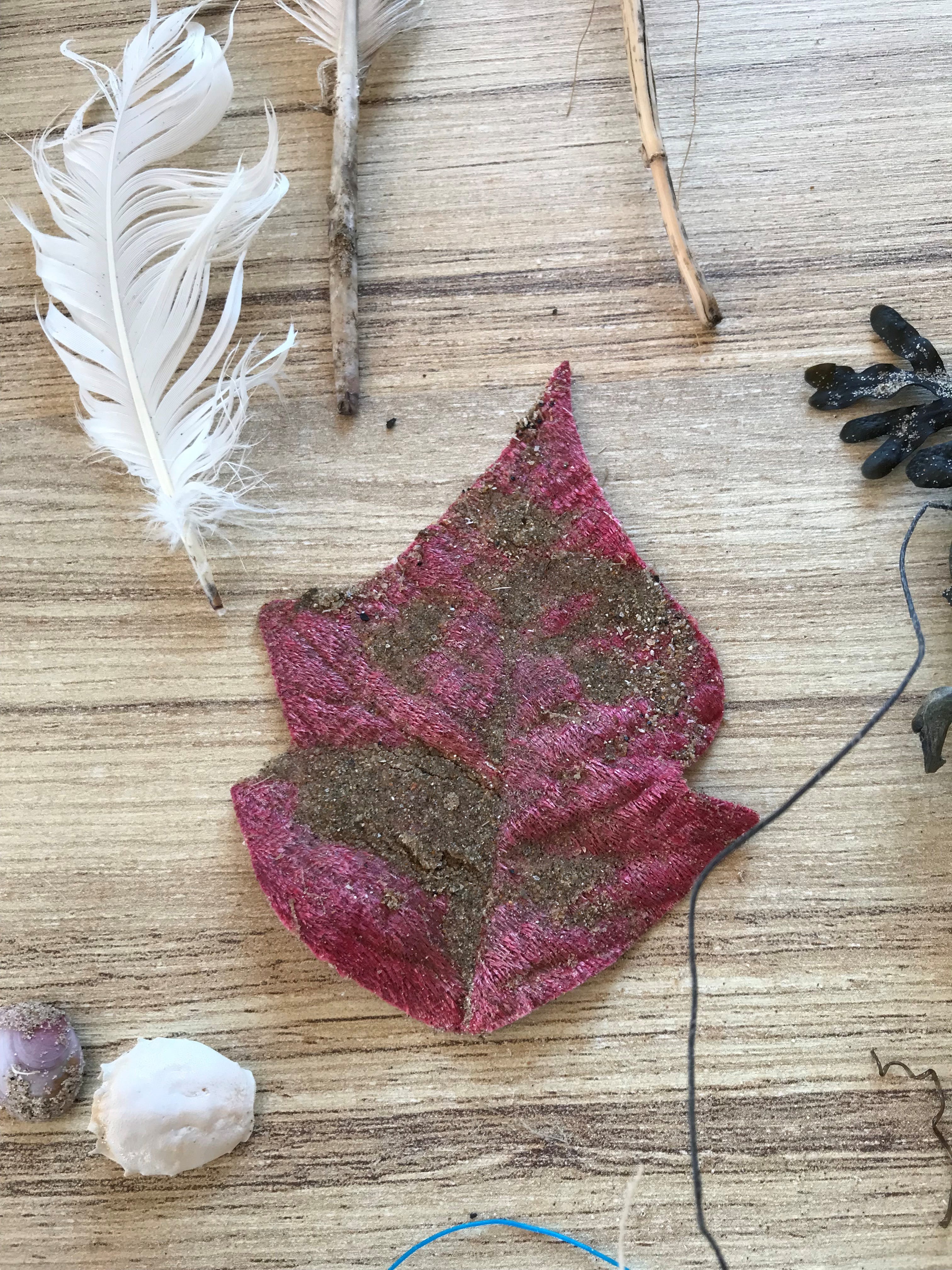
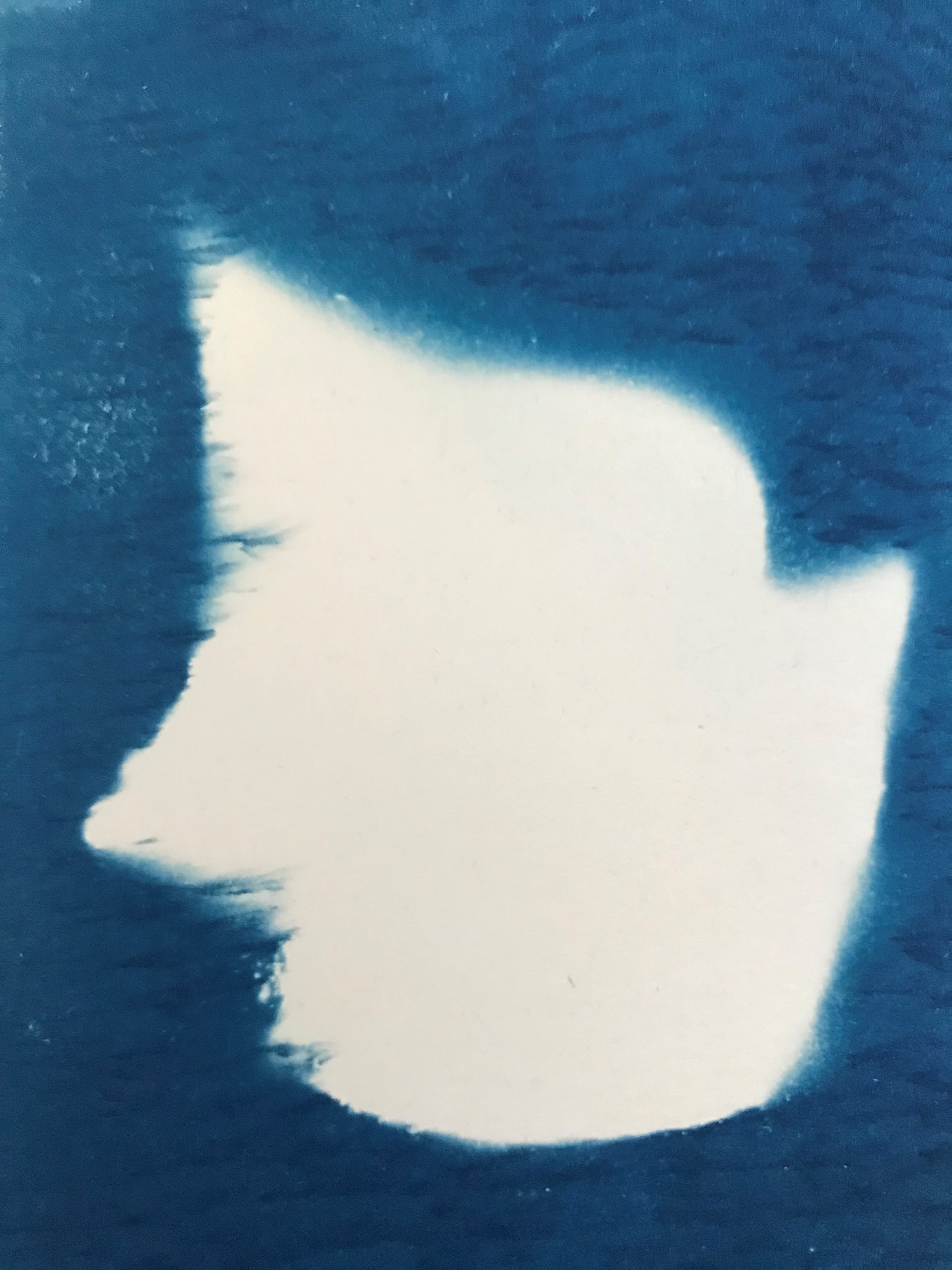
The day I found the red leaf, I was spending a few days in a caravan as part of a residency for my PhD project. I had a plan to teach myself methods of lenseless photography – ways of documenting images using photosensitive chemicals painted on paper and exposing them to sunlight. Cyanotypes are some of the easiest and most popular ways of doing this. I took the leaf and placed it on the paper I’d prepared.
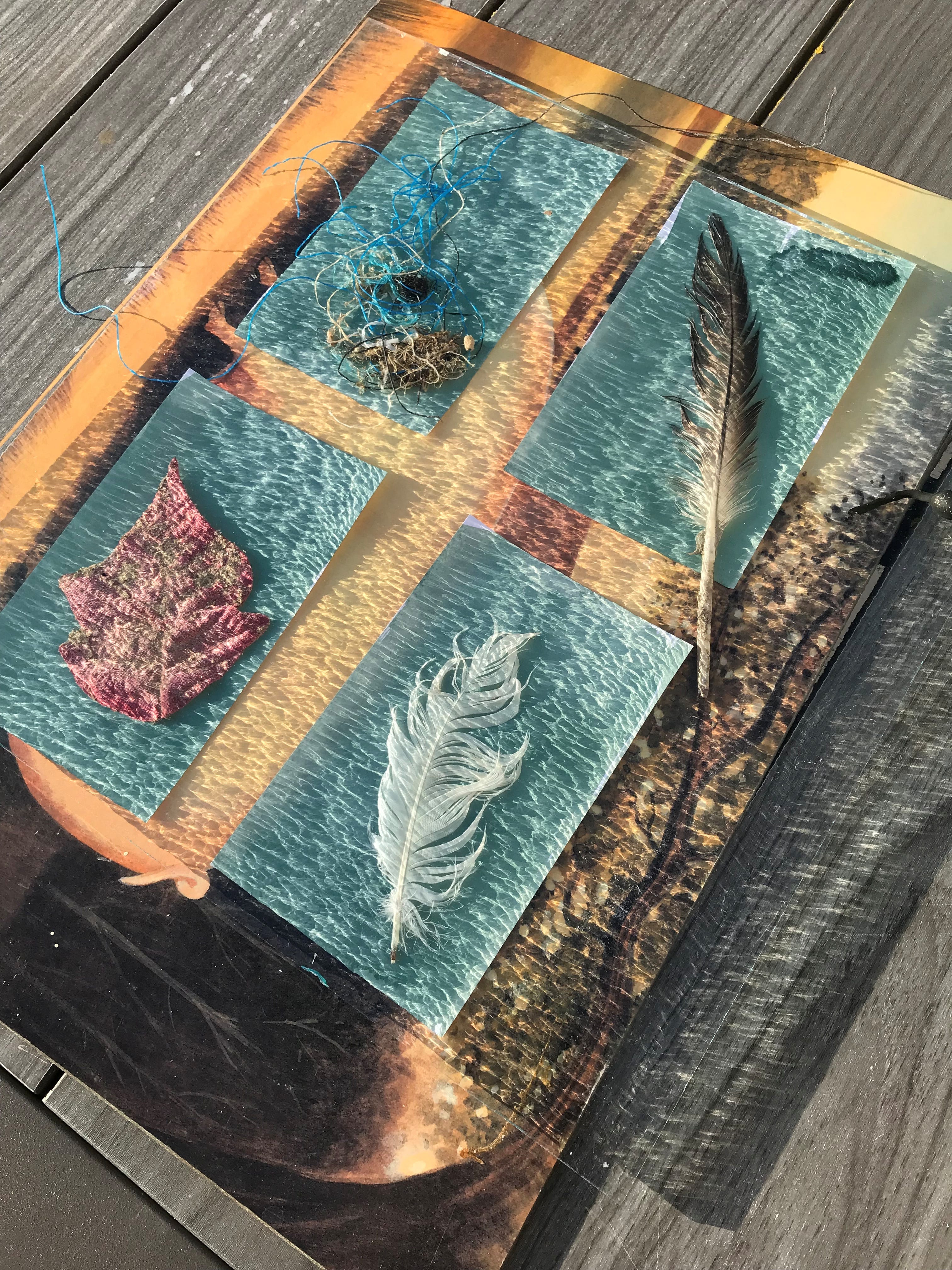
Quite quickly I had an echo of the plastic red leaf marked out in white, surrounded by blue as the paper reacted to being outside in the sun. Natural objects, like feathers and plants, if you leave them long enough in sufficiently strong sunlight, begin to create x-rays – you can start to see veining and detail within the objects. The leaf being plastic, will only ever give an outline of its shape with this method. I was initially a bit disappointed by that, it isn’t an especially interesting image compared to some of the others I made that day. The more I’ve thought about it though, the more it feels all the more pertinent – the absence is clear, to only see an outline of the shape seems an especially meaningful translation of ME/CFS. The object is missing from its own image and the leaf has transformed from red to blue.
May is ME Awareness month and Isaac Greer is organising his second Online Concert for Blue Sunday for M.E. in collaboration with Anna Redshaw, founder of Blue Sunday for ME. For the 2025 concert he again hopes to raise awareness of Myalgic Encephalomyelitis (ME) and funds for ME Research UK and Smile for ME.
Blue Sunday for ME takes place on the 18 May 2025. Registration for a small donation is now live via Eventbrite. The concert will be made available from the 11 May, one week ahead of Blue Sunday.

Really excellent!